
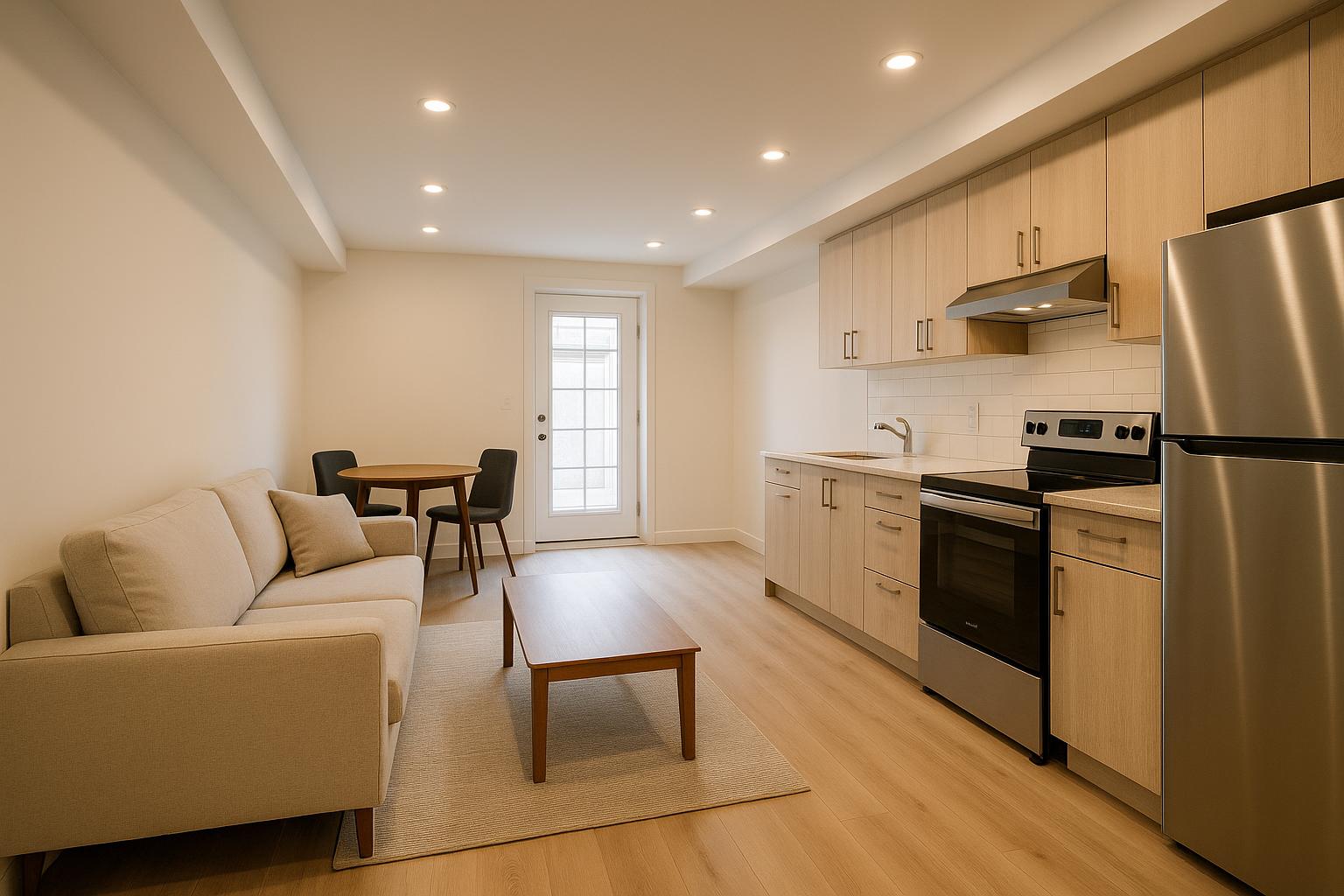
Why San Diego Homeowners Are Converting Basements Into ADUs
San Diego's housing market is one of the most competitive in the country. With median home prices well above the national average and rental demand that never seems to slow down, homeowners are looking for creative ways to maximize their property's potential. One of the smartest moves you can make? Converting an underused basement into a fully permitted accessory dwelling unit.
A basement ADU — sometimes called a junior accessory dwelling unit depending on its size — gives you a self-contained living space beneath your existing home. It can serve as a rental unit for supplemental income, a private suite for aging parents, or a comfortable space for adult children who aren't quite ready to tackle San Diego rent prices on their own.
But turning a basement into a legal, livable dwelling involves more than throwing up some drywall and adding a kitchenette. Here's what you need to know before you start.
Understanding San Diego's ADU Regulations
California has been steadily loosening ADU regulations over the past several years to address the housing shortage. Senate bills like SB 9 and AB 68 have made it significantly easier for homeowners to add accessory dwelling units to their properties. San Diego has followed suit with local ordinances that streamline the permitting process.
Here are some key points to keep in mind:
- Size limits: Basement ADUs attached to or within an existing home can typically be up to 1,200 square feet, though the exact allowance depends on your lot size and zoning.
- Permitting is required: You must pull permits through the City of San Diego's Development Services Department. Unpermitted conversions can result in fines and complications when you sell your home.
- Separate entrance: Your basement ADU will need its own dedicated entrance that doesn't require walking through the primary residence.
- Parking requirements: In many cases, California law has eliminated additional parking requirements for ADUs, especially those near public transit.
- Utility connections: Depending on your setup, you may need separate utility meters or sub-meters for the ADU.
Regulations can change, and every property is different. Working with a remodeling team that understands local building codes — not just general construction — saves you from costly surprises down the line.
Essential Features Every Basement ADU Needs
A basement ADU isn't just a finished basement with a bed in it. To qualify as a legal dwelling unit and to attract quality tenants, your conversion needs to include several critical features.
A Full Kitchen or Kitchenette
At minimum, your ADU needs a cooking area with a sink, countertop space, a stove or cooktop, and a refrigerator. Many San Diego homeowners opt for a full kitchen to make the unit more appealing to long-term renters. Even in a compact basement layout, a well-designed galley or L-shaped kitchen can be surprisingly functional.
A Complete Bathroom
Your basement ADU needs at least one full bathroom with a toilet, sink, and shower or bathtub. If the existing basement doesn't have plumbing roughed in, this is one of the bigger expenses in the project — but it's non-negotiable for a legal dwelling.
Adequate Egress and Safety Features
Building codes require that basement living spaces have proper egress windows or doors that allow occupants to escape in an emergency. You'll also need smoke detectors, carbon monoxide detectors, and in many cases, a fire sprinkler system. These aren't optional upgrades — they're legal requirements that protect your tenants and your liability.
Proper Ventilation and Climate Control
Basements can be prone to moisture issues, even in San Diego's relatively dry climate. Your ADU will need adequate ventilation, a dedicated HVAC system or mini-split unit, and potentially a dehumidification solution. Nobody wants to live in a space that feels damp or stuffy.
Sound Insulation
Since your tenants will be living directly below your primary residence, sound insulation between floors is essential for everyone's comfort. This typically involves adding insulation between floor joists and using resilient channel or sound-dampening drywall on the basement ceiling.
What the Conversion Process Actually Looks Like
If you've never done a major remodeling project, the idea of converting a basement into an ADU can feel overwhelming. Here's a simplified breakdown of how the process typically unfolds:
- Assessment and design: A remodeling professional evaluates your existing basement for structural integrity, ceiling height, moisture issues, and plumbing access. Then you collaborate on a layout that maximizes the space.
- Permitting: Your contractor submits plans to the City of San Diego for review. This can take several weeks, so it's smart to get started early.
- Structural and utility work: This phase includes any necessary waterproofing, plumbing rough-ins, electrical upgrades, HVAC installation, and egress modifications.
- Framing and insulation: Interior walls go up, insulation is installed, and the space starts to take shape.
- Finishing: Drywall, flooring, cabinetry, fixtures, painting, and all the details that turn a construction zone into a home.
- Inspections and final walkthrough: The city inspects the completed work to ensure everything meets code. Once approved, your ADU is officially legal and ready for occupancy.
From start to finish, a basement ADU conversion in San Diego typically takes between three and six months, depending on the scope of work and permitting timelines.
The Financial Upside Is Hard to Ignore
Let's talk numbers. A well-finished basement ADU in the San Diego area can command anywhere from $1,500 to $2,500 or more per month in rent, depending on the size, finishes, and neighborhood. In areas like La Mesa, El Cajon, and Chula Vista, where rental demand is strong and inventory is tight, a basement ADU can pay for itself within a few years.
Beyond rental income, an ADU significantly increases your property's appraised value. Many homeowners find that the return on investment for a basement ADU conversion outperforms almost any other home improvement project.
There are also financial incentives to explore. Some homeowners qualify for ADU-specific financing programs, and California occasionally offers fee waivers or reduced impact fees for ADU construction.
Choosing the Right Team for Your Basement ADU Project
A basement ADU conversion touches every trade — plumbing, electrical, HVAC, framing, finishing, and more. You need a remodeling team that can manage the entire process from initial design through final inspection, not a collection of disconnected subcontractors.
At San Diego Basement Pros, we specialize in exactly this kind of work. We understand the unique challenges that come with basement conversions — low ceiling heights, moisture management, plumbing logistics — and we handle the permitting process so you don't have to navigate city bureaucracy on your own.
If you've been sitting on an unfinished basement and wondering what it could become, a rental-ready ADU might be the answer. It's one of the few home improvements that can genuinely pay you back every single month.